A soup station is judged in the second hour, not the first. The bowl that leaves the pass at 6pm has to taste the same as the one that leaves at 9pm, and the piece of equipment underneath it is what decides whether that happens. Get the tureen wrong and you are either scorching a thick daal against direct heat or serving a thin soup that has gone lukewarm by the third cover.
Direct Heat or Bain-Marie: The Question That Matters Most
Every soup tureen falls into one of two heating designs, and the difference between them is not cosmetic.
- Direct-heat tureens sit their burner or fuel source directly beneath the serving vessel. Thin soups and clear broths hold up well under this arrangement — there is little in them to catch or separate.
- Bain-marie tureens surround the food vessel with a water jacket, so the heat reaches the soup indirectly through the water bath rather than through direct contact with the pan wall. Our bain-marie soup tureen and rectangular bain-marie tureen use this construction specifically because the vessel can never exceed the temperature of its water bath, whatever is happening at the burner beneath it.
Thick soups, lentil-based daal and cream-based bisques belong on a bain-marie without exception. Direct heat catches the base of a thick soup within minutes of being left unstirred, and once it has caught, the whole batch carries a burnt note that cannot be removed. A three-hour banquet service is exactly the length of time a direct-heat pan needs to ruin a pot of daal if a server is briefly called away from the station.
Copper or Stainless Steel
Both materials are used for soup service, and the choice is less about performance than about where the piece sits in your room.
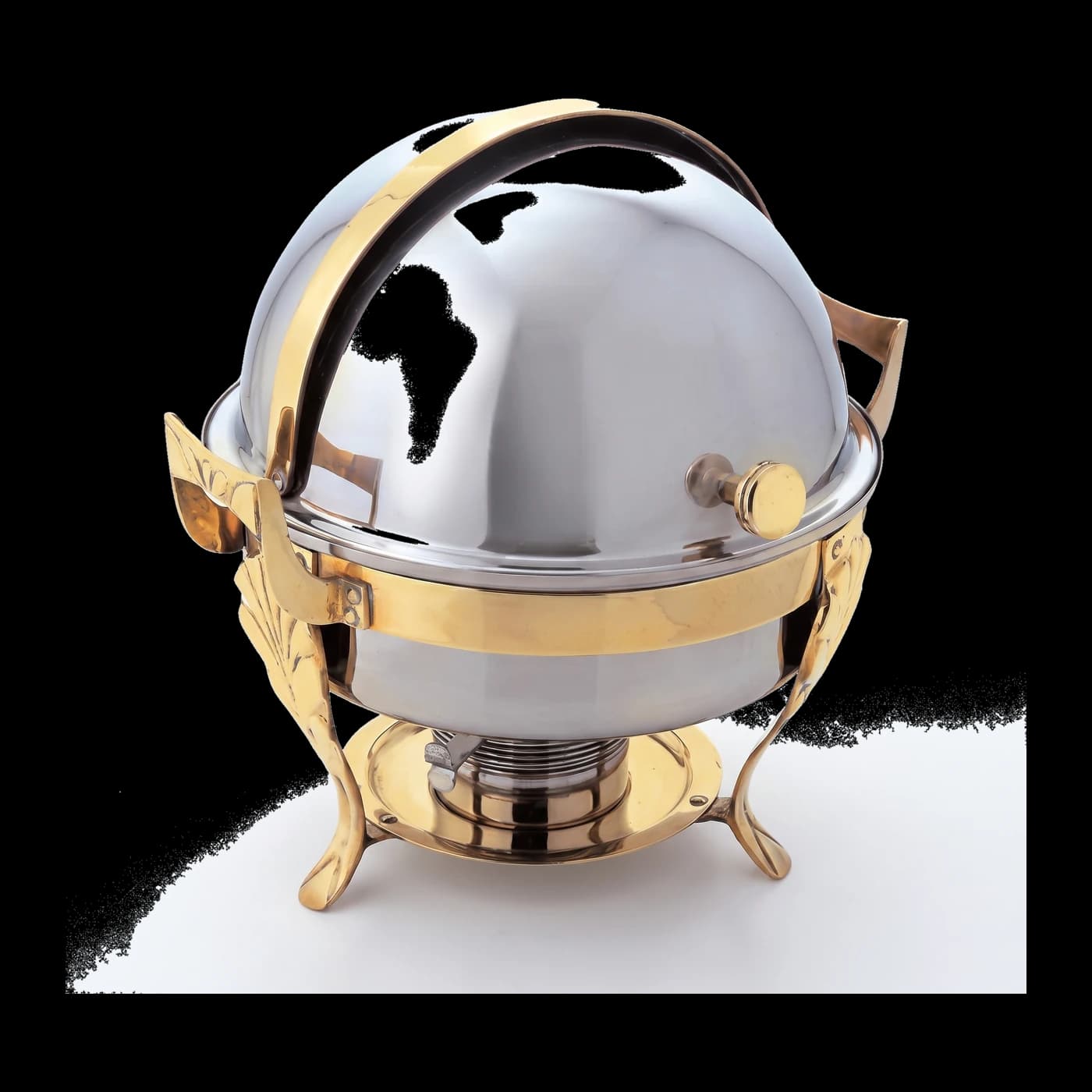
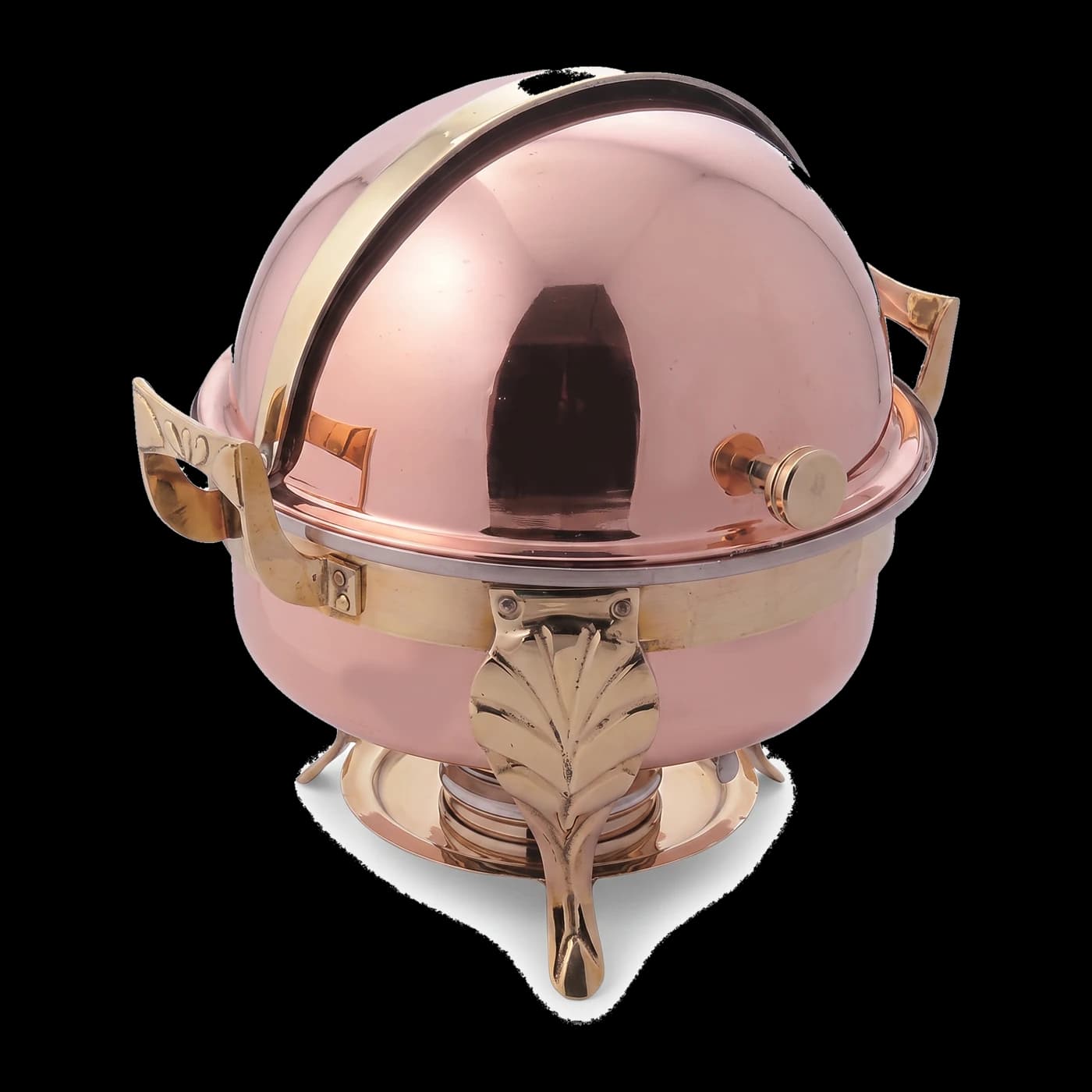
- Our copper soup tureenpairs a copper shell with a stainless steel food-contact interior, so you get the warm, artisanal presentation copper is known for without any food-safety compromise. Copper reads as a statement piece — it belongs on a carving station, a live counter, or anywhere the tureen itself is part of the room’s presentation.
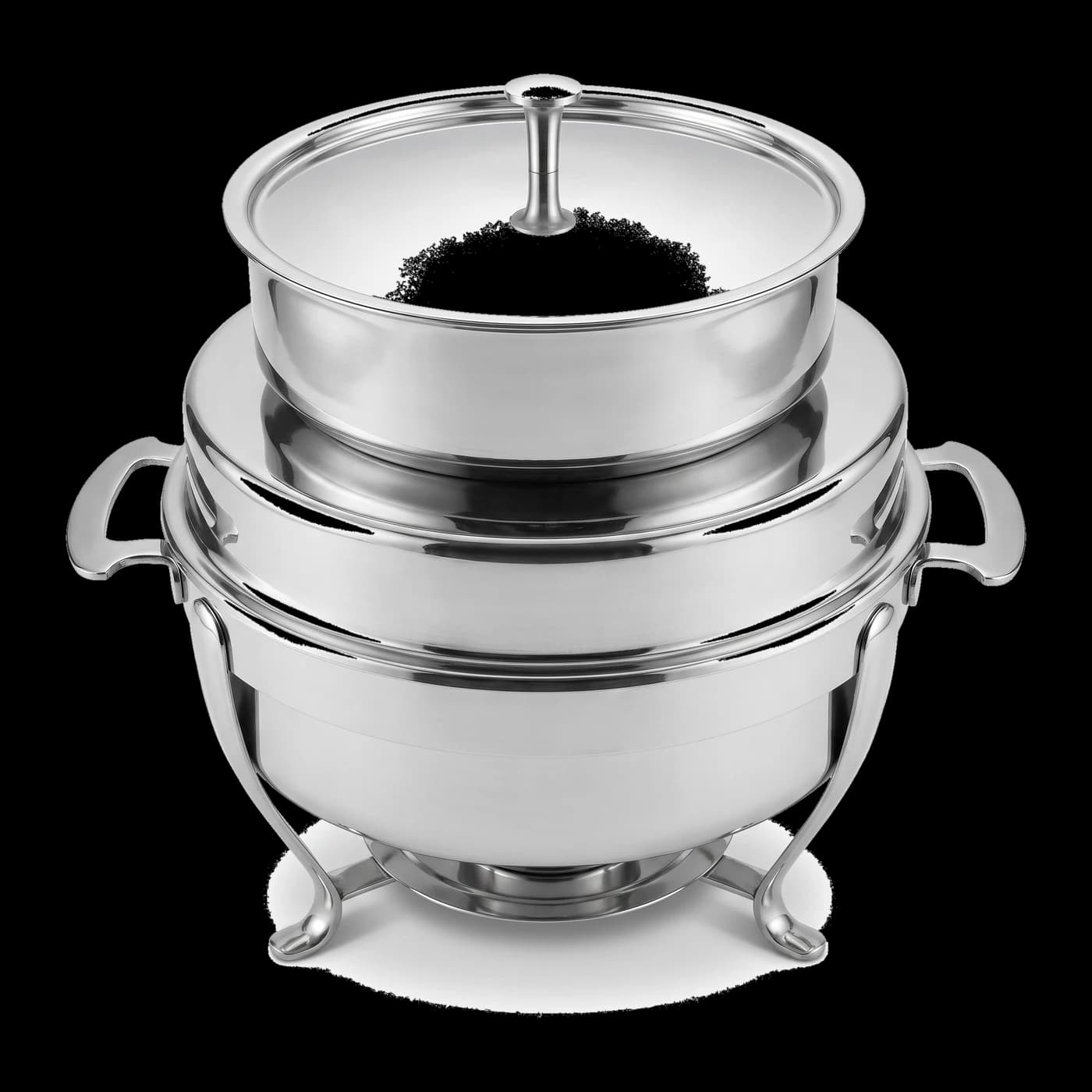
- Our stainless steel soup tureen is the practical default for high-turnover buffet lines: corrosion-resistant, dishwasher-safe, and unaffected by the acidity in a tomato-based or citrus-finished soup, which will very gradually dull a copper surface over years of daily contact.
A useful rule most of our hotel clients settle on: stainless steel for the everyday buffet line, copper for banquets, weddings and any service where the room itself is being dressed up. Our copper versus stainless steel comparison goes further into maintenance and total cost of ownership if you are deciding between the two for a full buffet refit.
Sizing a Soup Station
Undersizing a soup tureen is the most common mistake we see in new buffet layouts, because soup portions look small on paper next to a main course but soup is almost always taken more than once per cover.
| Covers per sitting | Recommended tureens per soup |
|---|---|
| Up to 80 | 1 tureen, plus 1 spare in rotation |
| 80–200 | 2 tureens per soup on offer |
| 200+ / banquet service | 2–3 tureens per soup, refilled from the kitchen rather than topped up in place |
The spare is not a luxury. A tureen taken off the line for refilling and washing leaves a gap on the buffet exactly when demand is highest, and a soup station with a visible gap reads as poorly managed even when the rest of the line is running well.
Individual Service: The Foco Bowl
Not every soup course belongs on a buffet tureen. For à la carte starters, amuse-bouche courses and formal plated service, our Foco Coal Soup Bowl gives each cover its own compact, individually plated serving — a different discipline from buffet holding, but one that belongs in the same equipment conversation for hotels running both formats side by side.
Stands and Presentation
A tureen’s stand does more than hold it off the counter. Brass and wire-frame stands lift the vessel to a height that suits a self-service buffet, keep the base from direct contact with a linen-covered table, and — on our copper pieces — provide the visual frame that makes the tureen read as a display piece rather than just a container. Sizing and stand style should be decided together with the rest of your buffet line so the soup station does not look like an afterthought next to your chafing dishes.
Buying Direct from a Manufacturer
Soup tureens are a category where custom capacity genuinely matters — a banquet hall running four soup courses a week has different requirements from a hotel offering one soup at breakfast. Buying directly from the manufacturer means capacities, stand styles and finishes can be specified to your actual service pattern rather than chosen from a fixed retail range, and matching pieces can be reordered years later without a visible mismatch on the line.
Lotus Metal Works has manufactured stainless steel and copper soup service equipment in Pakistan since 1951, supplying hotels, restaurants and banqueting operations across the country.
Setting up or replacing a soup station?
Tell us your covers per sitting and soup formats, and we’ll recommend sizing and stand options — bulk pricing available.
Get in Touch