A tandoor is one of the highest-utilisation pieces of equipment in a South Asian kitchen — used for everything from naan and kulcha to tandoori chicken, fish, and kebabs. Choosing the wrong one creates daily friction: too small and it bottlenecks service during peak hours; poorly placed and it becomes a safety and ventilation headache. This guide walks through the decisions that matter before you buy.
Mobile vs Fixed Tandoors
The first decision is whether you need a mobile or fixed installation.
Mobile Tandoors
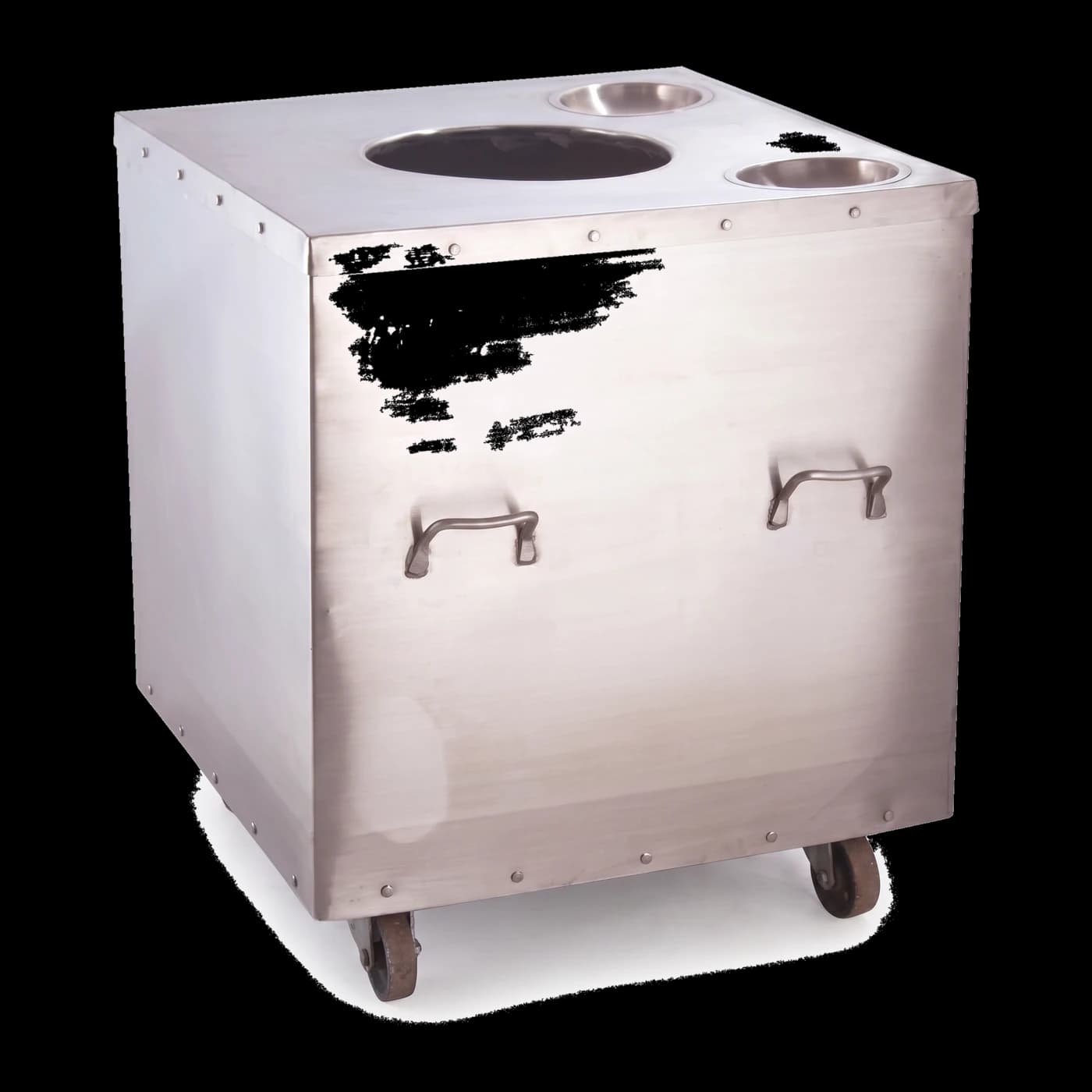
Built on a sturdy metal frame with industrial-grade wheels, mobile tandoors can be repositioned within a kitchen, wheeled out for live cooking stations at banquets, or relocated entirely if you change your kitchen layout. This flexibility makes them the default choice for:
- Hotels that run live tandoor counters at buffets or poolside events
- Restaurants still finalising their kitchen layout or expecting to expand
- Catering companies that need to transport equipment between venues
Fixed Tandoors
Built into a permanent counter or alcove with dedicated ventilation, fixed tandoors suit high-volume kitchens with a settled layout — typically established restaurants and hotel kitchens with a dedicated tandoor section that will not be reconfigured. They can be built larger and heavier than mobile units since portability is not a constraint, which generally means greater heat retention and longer service life under continuous use.
For most growing operations, a mobile unit is the more practical starting point — it gives you full functionality with the option to relocate or replace as your needs become clearer.
Round vs Square Tandoors
Both shapes are functionally capable of the same cooking tasks. The difference is mainly about kitchen layout and footprint.
| Shape | Best For | Consideration |
|---|---|---|
| Round | Traditional setups, corner placements, live cooking stations | Slightly more efficient heat distribution due to even curvature |
| Square | Tight kitchen layouts, lining up against a wall or counter run | Uses corner and wall space more efficiently than a round footprint |
We manufacture both a round mobile tandoor and a square mobile tandoor, both in rust-resistant stainless steel — the choice usually comes down to which fits your kitchen footprint better.
Sizing for Your Volume
Tandoor interior diameter directly determines throughput — how many naan or skewers you can cook per batch.
- Small (45–60 cm interior): Suited to cafes and small restaurants doing under 100 covers a day. Fits 1–2 naan or a handful of skewers per batch.
- Medium (60–75 cm interior): The standard choice for mid-size restaurants and hotel kitchens. Comfortably handles continuous naan production alongside meat and seafood skewers.
- Large (75 cm+ interior): Needed for high-volume hotel banquets, wedding catering, and institutional kitchens producing in bulk for hundreds of covers.
If you are uncertain, it is generally better to size up slightly — a tandoor running below capacity loses very little efficiency, while an undersized tandoor creates a hard ceiling on your service speed during peak hours.
Fuel Options
| Fuel Type | Pros | Considerations |
|---|---|---|
| Charcoal / Wood | Authentic smoky flavour, traditional preference | Requires longer pre-heating, ash management, ventilation |
| Gas (LPG/Natural) | Fast heat-up, consistent temperature, lower labour | Requires gas line installation or cylinder management |
| Electric | Cleanest option, easiest to install indoors | Higher running cost in regions with expensive electricity |
Many hotel kitchens in Pakistan still prefer charcoal-fired tandoors for the flavour profile guests expect from tandoori dishes, while gas-fired units are increasingly common where consistency and speed matter more — such as high-volume breakfast naan service.
Construction Quality: What to Check
- Outer shell gauge. A thicker stainless steel outer body retains heat better and resists denting from daily kitchen knocks.
- Insulation layer. Between the inner clay/metal liner and outer shell, proper insulation reduces fuel consumption and keeps the exterior safer to be near.
- Wheel quality (mobile units). Look for locking, heavy-duty industrial castors rated for the tandoor's loaded weight — undersized wheels fail quickly under constant kitchen use.
- Ash/drainage access. For charcoal units, easy access for ash removal speeds up daily cleaning and reduces downtime between services.
Placement and Safety
Tandoors generate significant heat and, for charcoal/wood units, smoke that requires proper extraction. Before installing:
- Position under or near a dedicated extraction hood rated for high-heat, high-smoke output.
- Maintain at least 60–90 cm of clearance on all sides for staff to work safely and to allow heat to dissipate.
- For mobile units, ensure the wheel-locking mechanism is engaged during operation — a tandoor must never shift while in use.
- Keep a fire extinguisher rated for the fuel type within immediate reach of any tandoor station.
- If gas-fired, have the gas line and connections inspected and certified by a qualified technician before first use.
Why Buy Direct from a Manufacturer
Sourcing a tandoor directly from a manufacturer rather than a reseller typically means lower pricing, the ability to request custom dimensions for a specific kitchen footprint, and direct access to after-sales support for repairs or part replacement. Lotus Metal Works has manufactured stainless steel hotelware and kitchen equipment in Pakistan since 1951, supplying hotel chains and catering businesses that depend on equipment holding up to daily, high-volume use.
Looking for the right tandoor for your kitchen?
Tell us your expected volume and kitchen layout and our team will recommend the right size, shape, and fuel configuration — custom builds available.
Get in Touch