When equipping a hotel, restaurant, or catering operation, one of the most common purchasing questions is: copper or stainless steel? Both are legitimate choices with different strengths. The right answer depends on your setting, service style, maintenance capacity, and budget.
At Lotus Metal Works, we have manufactured both since 1951 and supply them to some of Pakistan's most prominent hospitality brands. Browse our copper hotelware range or our stainless steel chafing dishes to see both in action. Here is an honest, side-by-side breakdown.
At a Glance: The Full Comparison
| Factor | Copper | Stainless Steel (18/10) |
|---|---|---|
| Heat conductivity | Excellent — 385 W/m·K | Good — 16 W/m·K |
| Heat retention | Moderate | Excellent with thick gauge |
| Visual impact | Premium, artisanal warmth | Clean, modern, versatile |
| Durability | Durable, softer surface | Very durable, scratch-resistant |
| Maintenance | High — regular polishing | Low — dishwasher safe |
| Reactivity with food | Reactive — needs tin/steel lining | Non-reactive |
| Price | Higher | Lower to moderate |
| Best fit | Heritage / luxury settings | High-volume, everyday service |
Heat Conductivity vs Heat Retention
Copper is one of the best thermal conductors available — roughly 24 times more conductive than stainless steel. In practical terms, copper heats up faster and distributes heat more evenly across the surface. This minimises hot spots that can scorch food.
Stainless steel, however, retains heat well once it reaches temperature, especially in thicker gauges. For buffet service — where equipment sits hot for two to three hours — this is often more important than raw conductivity. The difference in food quality between the two materials at steady-state buffet temperatures is minimal.
Aesthetics and Presentation
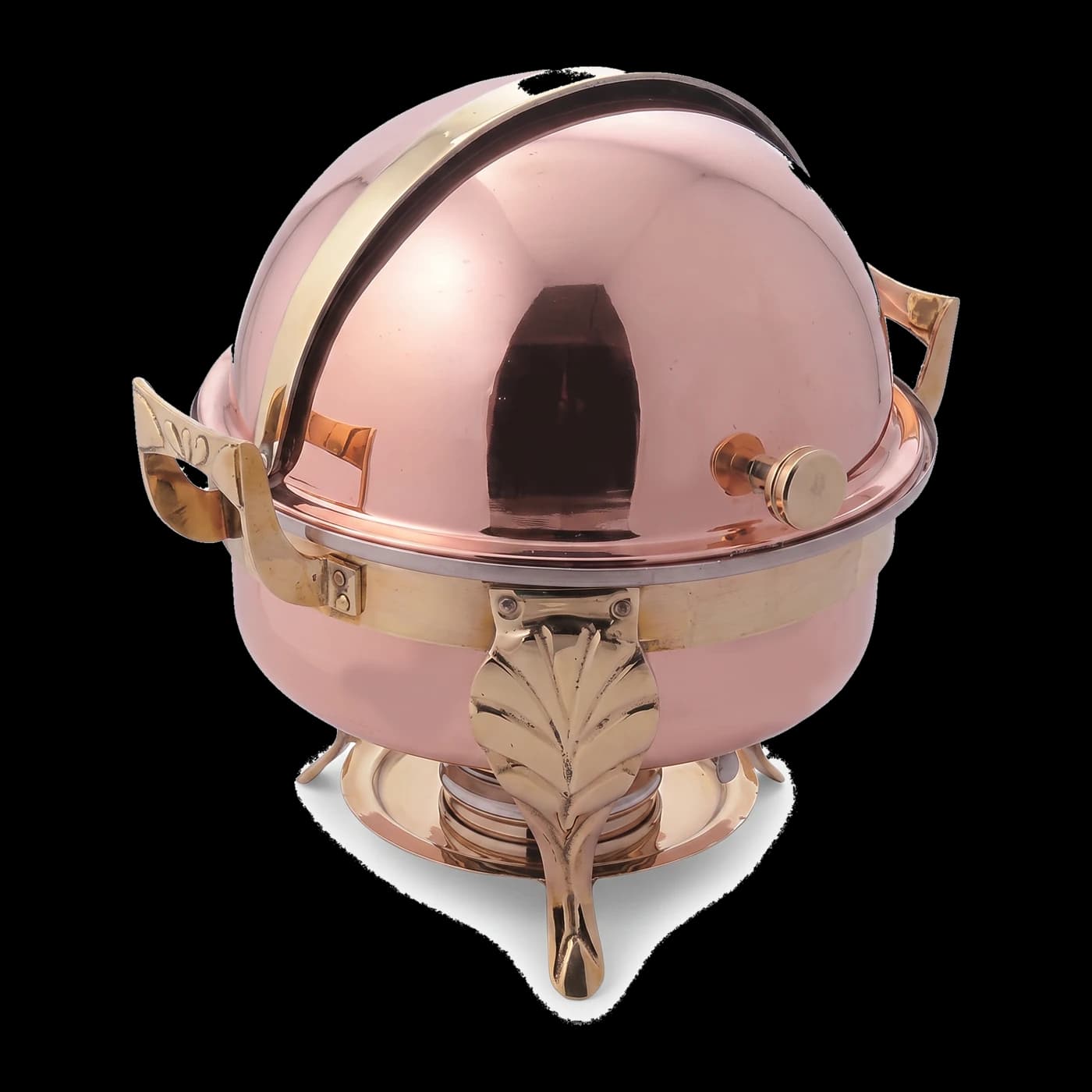
This is where copper wins unambiguously. The warm, reddish-orange tone of hand-hammered copper immediately communicates craftsmanship and tradition. It photographs beautifully, complements wooden and stone décor, and elevates the perceived value of any buffet spread.
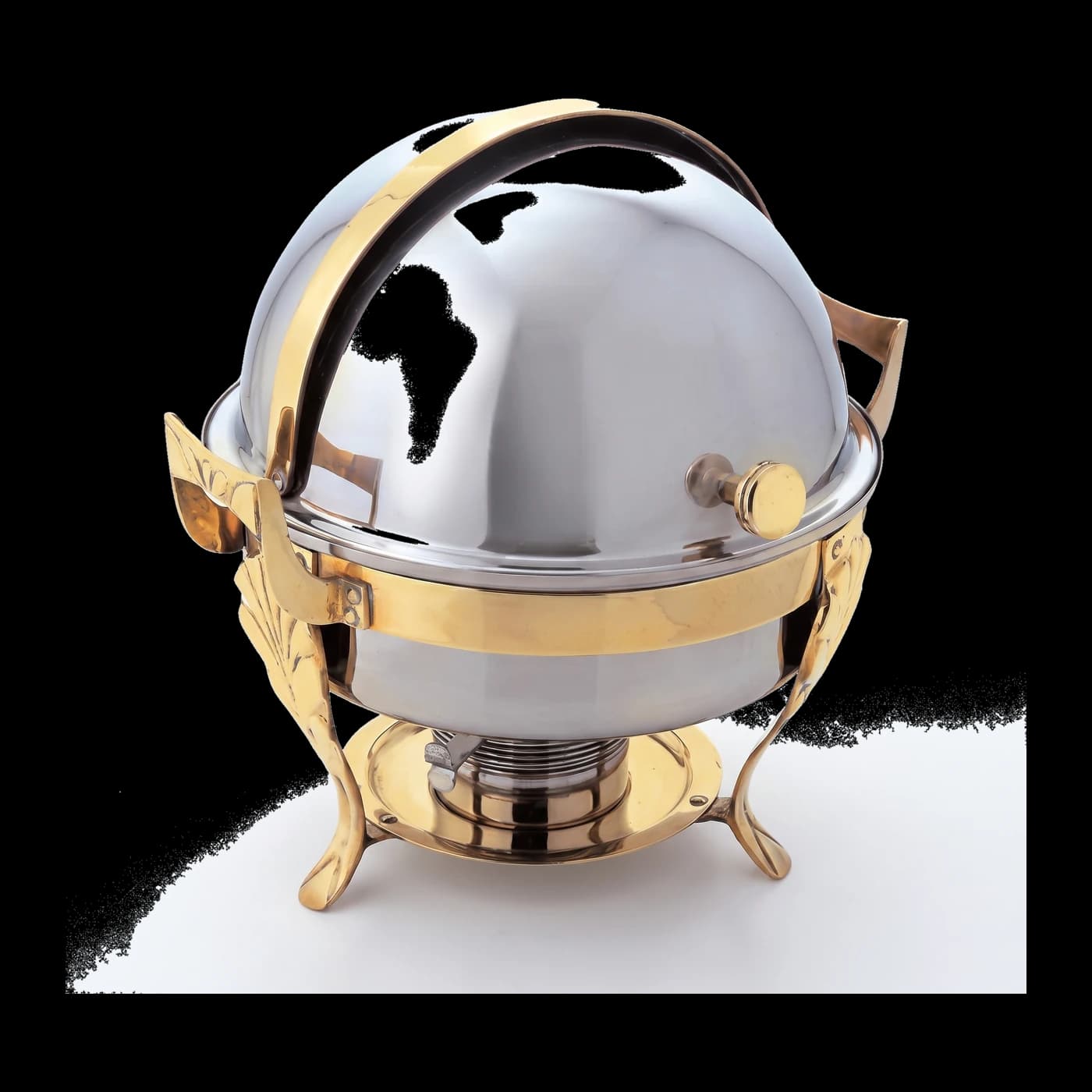
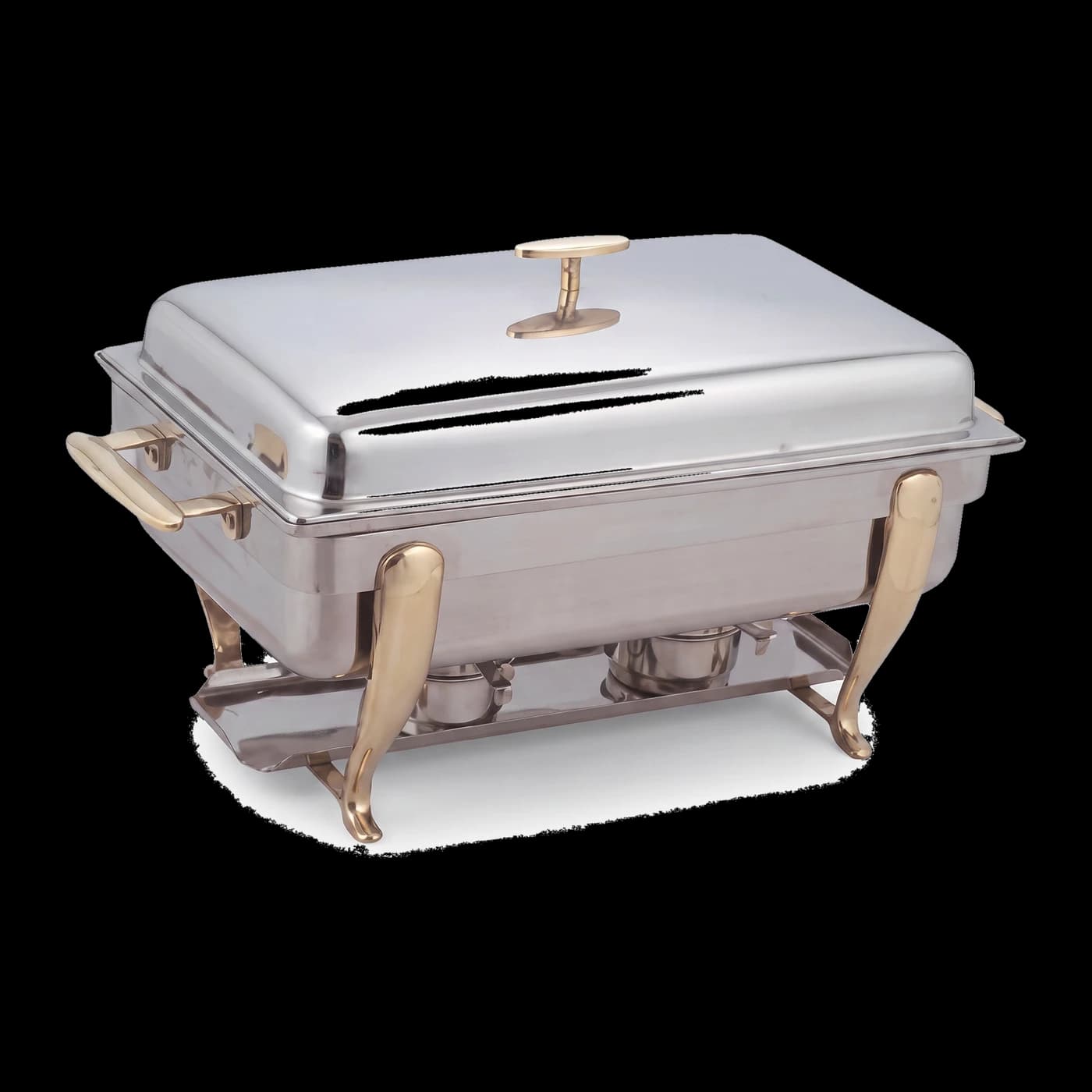
Stainless steel reads as professional and hygienic — which are also valuable signals in hospitality. Mirror-finish stainless is elegant in a contemporary setting. Brushed finishes work well in industrial-modern and minimalist restaurant designs.
The choice often comes down to brand positioning. A heritage or boutique hotel in Lahore or Karachi projecting traditional Pakistani hospitality will lean copper. An international business hotel serving a global clientele will default to stainless.
Food Safety: Lining and Reactivity
Raw copper is reactive with acidic foods — tomatoes, citrus, vinegar-based dishes. Prolonged contact can leach copper into food, which at sufficient concentrations causes nausea. For this reason, copper serving ware used for food must have a food-safe inner lining — typically tin or stainless steel.
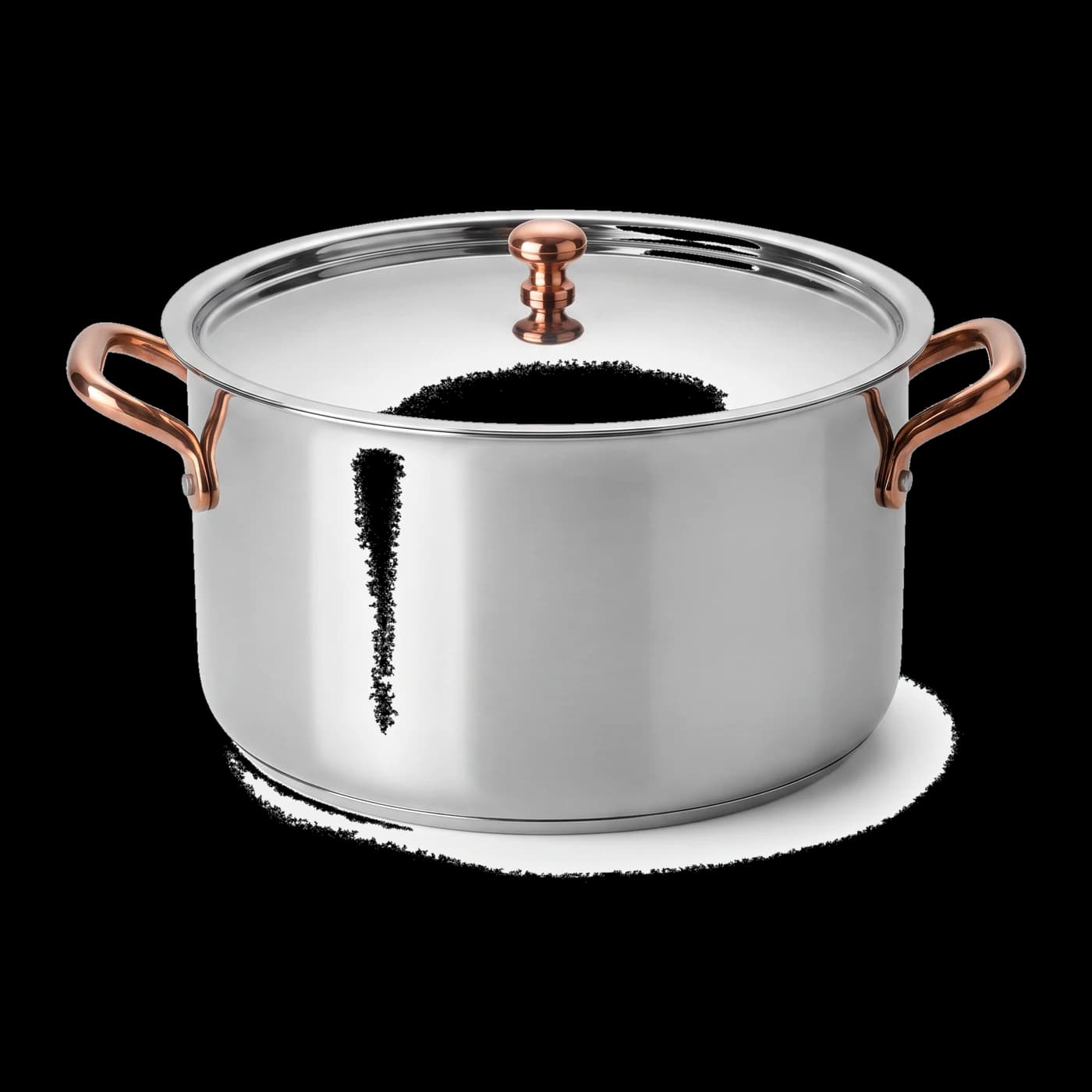
All copper hotelware from Lotus Metal Works — including our copper soup tureens — comes with a stainless steel food-contact lining as standard. The copper is purely aesthetic on the outer surface. This gives you the visual benefits of copper with none of the food safety risk.
Stainless steel (18/10 grade) — as used in our stainless steel soup tureens and serving ware — is completely non-reactive. It contains 18% chromium for corrosion resistance and 10% nickel for a smooth, non-porous surface. No lining is required.
Durability and Surface Wear
Stainless steel is harder and more scratch-resistant. Heavy daily use — stacking, sliding, commercial dishwashers — leaves stainless steel largely unscathed. It is the practical choice for high-turnover operations where equipment is handled roughly.
Copper is softer and will develop surface scratches and patina over time. Many operators consider the patina desirable — it deepens the character of the piece. However, if you want a consistent, pristine appearance, copper requires more attention.
Maintenance Requirements
Stainless steel: wipe down with warm soapy water, rinse, dry. Most pieces are dishwasher safe. The only caution is chlorine-based cleaners, which can pit the surface over time — use stainless-steel-specific detergents.
Copper: hand-wash only, warm water and mild soap. Dry immediately to prevent water spots. Polish with a dedicated copper cleaner monthly (more frequently in humid environments). Never put copper in a commercial dishwasher — the detergents and heat will strip any lacquer coating and accelerate tarnishing.
For a large operation running multiple sittings daily, the maintenance overhead of copper adds up. For a fine-dining or boutique property where each piece is carefully handled, it is perfectly manageable.
Total Cost of Ownership
Copper has a higher upfront cost per piece — typically 1.5× to 2× the equivalent stainless model. Factor in the additional cleaning time and polishing consumables, and the total cost of ownership is meaningfully higher.
The flip side: well-maintained copper lasts decades. Antique copper pieces still in active service are common in South Asian heritage hotels. If you plan to use the equipment for 10–15 years, the per-year cost difference narrows considerably.
A practical approach used by many of our clients: stainless steel for high-volume back-of-house and breakfast service; copper for signature evening buffets, wedding banquets, and photo-friendly front-of-house stations.
Our Recommendation
There is no single right answer — only the answer that is right for your operation. Use the table above as a framework, then consider:
- How important is visual presentation versus operational efficiency?
- Do you have staff capacity to maintain copper properly?
- What is your design language — traditional or contemporary?
- What is your replacement cycle — do you depreciate equipment over 3 years or 15?
Our sales team is happy to walk through these questions with you and recommend a product mix that fits both your budget and your service style.
Not sure which to choose?
Send us your requirements and we will put together a recommendation with pricing — no obligation.
Get in Touch